
Removing animals is the easy part to measure. You count them. The harder question is whether the land is actually getting better — more grass, more seedlings, more birds. That's the part we care about most, and the part that's always been hardest to prove.
What we already know
Every hunt on Happy Ending leaves a record: where it happened, when, how long it took and how many animals came out. Add those up across a property and over the seasons, and you can see the effort going in and the numbers coming down. On a good block, it takes more walking to find fewer animals. That's the trend you want.
What we're adding
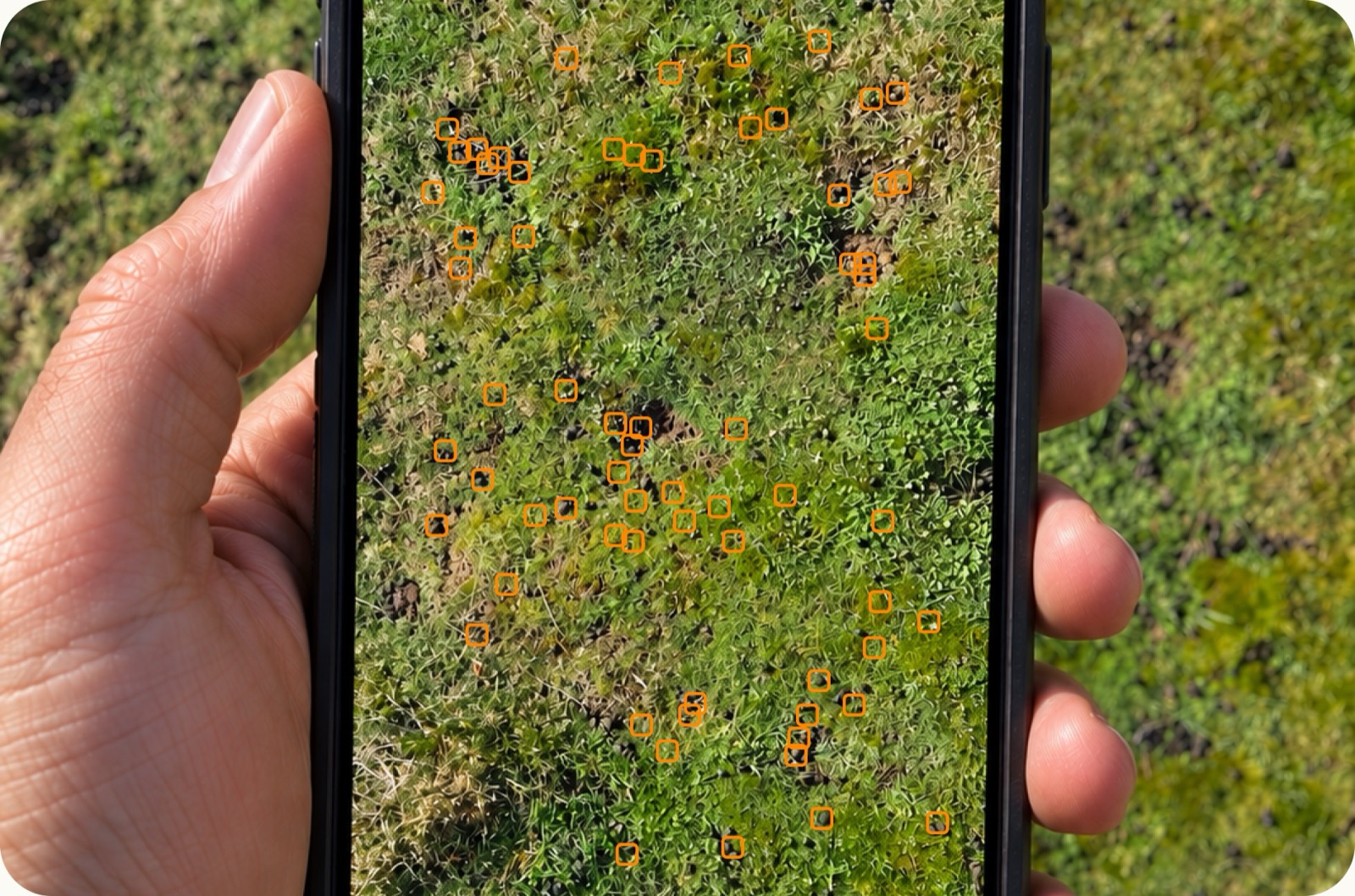
- Pellet counts. As rabbits and pest animals decline, their tell tale signs disappear. We measure when they're at their highest and during the knock-down so we can measure the effort per kg over time. In time, we can pay to keep the pressure on when the protein isn't covering all of the costs. This is when the biggest change happens.
- Bird counts. A five-minute bird call count is a simple, well-tested method: stand still, listen. We're building it into the phone so to use AI to tell what's in each hectare. Hunters, landholders and volunteers can do it anywhere, it will build a picture that grows across the country.
Put those together — animals removed, vegetation growing, birds returning — and you start to get real evidence that a place is recovering.
Why it matters
Evidence is what turns good intentions into something people can back. It helps landholders show the work they're doing. It helps community groups make the case for funding. And over time, we think it will help good land management pay for itself.
We'll share more as it comes together. For now, every hunt you log is already part of it.
Leave Earth Better.